Bexley Council Parking Permits for Falconwood Moves
Posted on 22/06/2026
Bexley Council Parking Permits for Falconwood Moves: A Practical Local Guide
If you are moving in Falconwood, parking is often the bit that causes the most stress right before the van arrives. Streets can feel tighter than they looked on a quick viewing, space disappears fast, and suddenly the question is not "have we packed the kettle?" but "where is the removal van actually going to stop?" This guide to Bexley Council Parking Permits for Falconwood Moves explains the local parking picture in plain English, so you can plan ahead, avoid awkward delays, and keep moving day calmer from the off.
Truth be told, parking is one of those details people leave until last. Then it becomes the detail. A sensible permit plan can help with loading, protect you from avoidable penalties, and make life easier for everyone involved. If you are also working through the wider move plan, you may find it useful to pair this with stress-free house move tips and packing and parking tips for Welling Road SE9 moves, especially if your route includes busier local roads or timed access.
Below, you will find the practical steps, the common mistakes, what usually matters most on the day, and how to think about permits without overcomplicating the whole thing. Simple, useful, local. That is the aim.
Why Bexley Council Parking Permits for Falconwood Moves Matters
On moving day, parking affects almost everything: how long loading takes, whether heavy items can be moved safely, whether the van has to double park, and how much pressure everyone feels. In Falconwood, where residential streets can be narrow and parked cars are often already lined up along the kerb, a permit or parking plan can be the difference between a smooth handover and a messy scramble.
The value is not just convenience. It is also about reducing risk. When a removal van cannot park close to the entrance, movers may need to carry furniture further, around bends, over steps, or through tighter gaps. That adds time, effort, and a bit of danger too. If you have ever tried to manoeuvre a sofa from a van parked half a street away, you will know exactly what I mean. Not ideal. Not even close.
For many Falconwood moves, the parking challenge is really a planning challenge. You need enough space for the vehicle, room for loading access, and enough flexibility if another car is already in your intended spot. A permit, dispensation, or carefully arranged parking approach can help you manage that with less last-minute pressure.
Key takeaway: the right parking setup is not just a nice extra. It can save time, reduce physical strain, and lower the chance of awkward delays or parking penalties on moving day.
If your move also involves bulky furniture or difficult access, it can be worth thinking about the wider logistics as a whole. For example, our guides on staircases and tight access in Falconwood and handling hefty objects safely show how access and parking tend to go hand in hand. One weak link affects the rest.
How Bexley Council Parking Permits for Falconwood Moves Works
Parking controls in local London areas usually follow a pattern: some streets are unrestricted, some have bay parking or time limits, and some require resident permits or temporary parking arrangements. For a move, the important question is not just "is parking allowed?" but "can the removal vehicle stop close enough for long enough to load safely?"
In practice, a moving permit or parking arrangement may be needed when:
- a van needs to park in a controlled bay
- loading takes longer than a standard short-stay allowance
- there is limited kerbside space outside the property
- the street is busy enough that waiting for a space would slow the move
- you want to avoid unnecessary circling, stress, and double parking
Rules can differ street by street, and that is where people sometimes get caught out. Two roads that look almost identical may be managed differently. One may be straightforward, the other may require more careful handling. So the best approach is to treat the parking side as a small project in itself, not an afterthought.
A good moving plan usually asks a few practical questions early: How long will loading take? How many large items are involved? Will the van need to stay in one place? Can a helper stand with the vehicle while the rest of the move is happening? That kind of thinking helps you decide whether a permit is enough, or whether you need a more flexible arrangement.
If you are using a professional team, it is also worth asking whether they have local route knowledge. In Falconwood, that little bit of street awareness can save surprising amounts of time. A short delay here, a bad parking choice there, and suddenly the clock starts moving very quickly.
Key Benefits and Practical Advantages
There are several very down-to-earth advantages to sorting out parking properly for a Falconwood move.
1. Faster loading and unloading
The nearer the van is to the entrance, the easier it is to move boxes, white goods, beds, and awkward items. That means less walking back and forth, less congestion at the doorway, and a tidier moving rhythm overall.
2. Lower physical strain
Long carries are exhausting. Even if each item is not especially heavy, repeated lifting over a long distance quickly adds up. This is where planning matters as much as strength. If you are moving a bed frame, mattress, or a couple of heavy cabinets, keeping the vehicle close can make a big difference. Our guide on moving your bed and mattress smoothly is a good example of how transport access and item handling overlap.
3. Better protection for belongings
Shorter carries usually mean fewer chances to bump corners, scrape walls, or drop something while turning on a narrow path. It sounds obvious, but in the rush of moving day, small risks become real very quickly.
4. Less chance of penalties or confrontation
Parking issues can create unnecessary tension with neighbours, other road users, or enforcement. A clearer plan keeps things more professional and much less stressful. Nobody wants to be standing on the pavement, holding a wardrobe door, while trying to reason with a driver who has just lost their space. Been there, seen that, never fun.
5. Better scheduling
When parking is under control, the rest of the timetable is easier to trust. That helps if you are coordinating cleaners, keys, storage drop-offs, or a second address later in the day. If you are working to a tight schedule, that sense of control matters a lot.
Who This Is For and When It Makes Sense
Not every Falconwood move needs a permit request, but many do benefit from one or from some sort of parking planning. The people most likely to need it include:
- home movers on roads with limited on-street space
- flat movers in areas where access is tight and unloading needs to be quick
- students moving with multiple boxes and a small van
- office teams shifting equipment from local premises
- families moving larger furniture or appliances
- anyone booking same-day or short-notice removal support
If you are moving from a flat with stairs, a permit becomes even more useful because the loading window may need to account for the slower pace of carrying items up and down. You may also find the article on the Falconwood Station and Bexleyheath Road local moving guide helpful if your route includes busier local connections.
A permit makes most sense when parking space is uncertain, time is tight, or the property layout makes loading difficult. If you have a long driveway, a private forecourt, or off-street access for the van, then the issue may be simpler. Still, it is worth checking carefully. A driveway can look usable and then prove too short for a larger vehicle. Happens more often than people expect.
For commercial moves, the stakes are slightly different. Office equipment, filing, IT hardware, and desks often need a timed and orderly load. Parking that is too far away can disrupt staff, block the handover sequence, or slow down the whole operation enough to affect the rest of the day.
Step-by-Step Guidance
If you want a practical way to handle Bexley Council Parking Permits for Falconwood Moves, use this sequence. It keeps things manageable.
- Check the exact parking conditions for the street. Do not rely on memory or on how a neighbour's car seemed to park last Tuesday. Streets can have different restrictions, and moving day is not the time for guesswork.
- Estimate the loading time realistically. Add a buffer. A one-hour job often becomes longer once a mattress, awkward hallway, or a late-moving box pile enters the picture.
- Decide whether a permit, bay suspension, or temporary arrangement is needed. The right option depends on the street, the vehicle, and how long the van needs to stay put.
- Gather the property details and vehicle information. Keep the address, date, vehicle size, and move timing to hand so you are not hunting for them later.
- Build parking planning into the move timetable. Don't separate it from packing, cleaning, or key collection. It is part of the move, not a side issue.
- Tell everyone involved. If movers, family members, or helpers are arriving separately, make sure they know where the vehicle will stop and who is managing the spot.
- Prepare a backup plan. Even the best plan can meet a parked car, roadworks, or a tight turn. A second option is not pessimism. It is common sense.
A simple tip that helps more than people expect: walk the street the day before, if you can. Look at width, parking patterns, visibility, and any obvious pinch points. The noise, the traffic, the angle of the bay, the way bins sit on the kerb. Those little details tell you more than a quick glance from the car ever will.
If you are doing a full move, it is also worth reviewing packing and decluttering in parallel. Less clutter means less loading time, which in turn can reduce parking pressure. Our articles on tailored packing tips and decluttering for a seamless moving journey fit neatly alongside this planning stage.
Expert Tips for Better Results
After a lot of moves, one pattern is clear: the people who win on moving day usually planned the boring stuff early. Parking is one of those boring bits that turns out to be wildly important.
Use the smallest suitable van size, not the biggest one you can find
A larger van is not always the better van. If the street is narrow, a smaller or mid-size vehicle may be easier to position and more efficient overall. A slightly smaller van with two trips can sometimes beat one oversized attempt that causes parking headaches.
Stack your load intelligently
Loading order matters. Put the items you will want first near the rear. Keep boxes grouped by room so unloading can happen without chaos. It sounds basic, but it saves time and reduces the temptation to keep the van parked longer than necessary.
Have someone watch the vehicle if you can
If parking is tight, a helper who stays with the van can be incredibly useful. They can keep an eye on pedestrians, moving traffic, and whether another car is trying to squeeze in. It is a small role, but a valuable one.
Protect the property access points
With shorter parking distance, there is often more foot traffic through the doorway. Put down coverings where needed, keep paths clear, and remove loose mats or trip hazards. That is especially useful for older houses and upstairs flats.
Think in zones
One zone for the van. One zone for boxes. One zone for items waiting to go. It keeps the move visually organised. You notice quickly when the hallway starts to clog, and you can correct it before the situation becomes a little bit ridiculous.
Talk to neighbours early if space is tight
A friendly heads-up can help. If you know there will be temporary disruption, a polite chat can prevent avoidable friction. People are usually much more understanding when they have been told what is happening.
And yes, sometimes a move runs a bit sideways anyway. That is life. But with a decent parking plan, the wobble tends to be much smaller.

Common Mistakes to Avoid
Most parking problems during a move come from a handful of repeat mistakes. These are the ones to watch.
- Leaving parking planning too late. By the time the van is on the way, options can already be limited.
- Assuming the same rules apply to every nearby street. They often do not.
- Underestimating loading time. A short move can become a long one once stairs, lifts, or awkward items get involved.
- Forgetting about access width. A van may technically park somewhere but still block the street or make loading awkward.
- Not preparing a fallback spot. When space disappears, a second option keeps the move alive.
- Ignoring the impact of bulky items. Sofas, wardrobes, and pianos need more room, more time, and a more careful parking choice.
One of the sneakiest mistakes is treating parking as purely a legal issue. It is actually a logistics issue first, then a compliance issue. If the van is technically allowed to be there but cannot load safely, the plan still fails. That is why good moving companies think about parking, carrying distance, access, and timing together.
For difficult items, it can help to read more specialist content too, such as the hidden challenges of DIY piano moving or sofa storage and handling strategies. Different items create different parking and handling pressures. That is just how it goes.
Tools, Resources and Recommendations
You do not need a complicated toolkit to manage a moving-day parking plan. You do need a few practical things in place.
- Printed move schedule: helpful if your phone battery dips or the signal is patchy.
- Property and vehicle notes: keep the address, access details, and vehicle size together.
- Room labels and box lists: these shorten unload time and reduce van standing time.
- Phone contacts for helpers: so you can coordinate quickly if space changes.
- Protective coverings and straps: especially if parking is close and loading is concentrated.
- Local route awareness: knowing the likely pinch points in Falconwood can help with timing.
For a more complete move, it is worth combining parking planning with other practical preparations. If you are moving furniture, look at furniture removals in Falconwood and if you are moving into a flat, the guidance on flat removals in Falconwood can help frame the access side properly. These pages are useful because parking is rarely the only logistical issue.
If you are comparing support options or want to understand what level of help suits your move, the broader services overview is a sensible place to start. It can help you match the parking challenge with the right type of moving support, rather than trying to force a one-size-fits-all solution.
Law, Compliance, Standards, or Best Practice
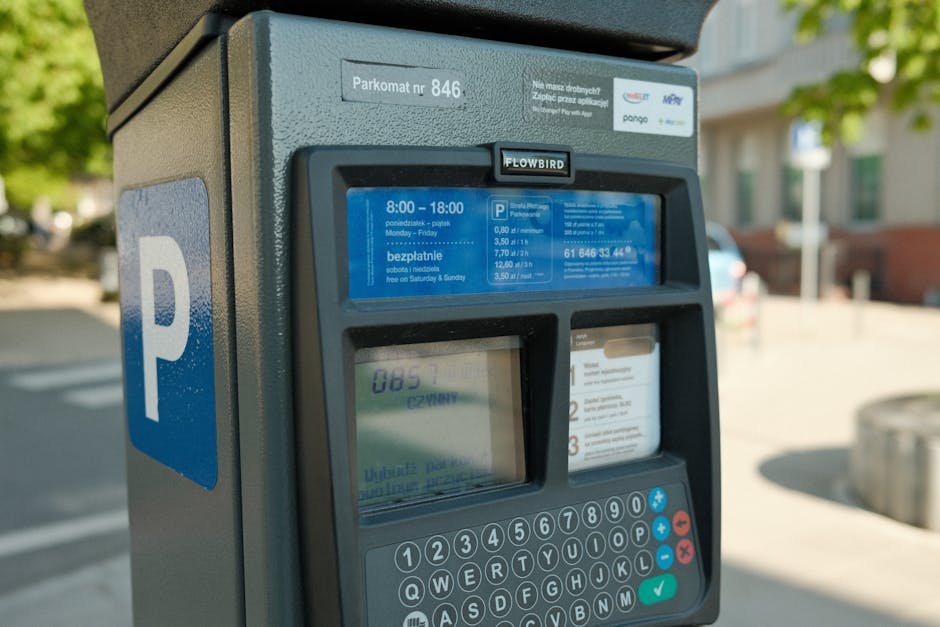
Parking on public roads in London is subject to local rules, and those rules can change depending on the road markings, restriction times, and permit zones in place. For that reason, it is wise to treat council parking information as the primary reference point for any Falconwood move. Even if you have moved nearby before, do not assume the same setup applies again. Small changes matter.
Best practice in a move is straightforward:
- check restrictions in advance
- avoid blocking driveways, crossings, or junction visibility
- plan for safe loading and unloading
- respect permit conditions and any time limits
- leave enough space for emergency access and normal traffic flow
From a professional standpoint, good movers also pay attention to safety, load handling, and site access. That is part of why people look for companies that talk clearly about standards and working practices. If you want to see how safety and responsibility are handled more broadly, you can review health and safety guidance and insurance and safety information. These pages help show the difference between a move that is merely possible and a move that is properly managed.
One thing worth saying plainly: do not gamble on parking if the street clearly looks restricted. It is rarely worth the stress. A bit of planning is much cheaper than a fine, and much less annoying than a van circling the block while your sofa waits on the pavement.
Options, Methods, or Comparison Table
Different moving situations call for different parking approaches. Here is a simple comparison to help you think it through.
| Option | Best for | Advantages | Limitations |
|---|---|---|---|
| Standard on-street parking | Short, straightforward moves on quieter roads | Simple, quick, no extra arrangement needed | May not suit longer loading times or busier streets |
| Temporary permit or parking arrangement | Moves needing predictable access near the property | Better control, less circling, easier loading | May require advance planning and street-specific checks |
| Private driveway or off-street parking | Homes with enough space for the vehicle | Most convenient, usually safest for loading | Not always available, and van size can be a factor |
| Drop-and-return setup | Moves where a spot is hard to secure all day | Can work well for staged loading or quick shuttle runs | Less efficient for large furniture or long carry times |
The best choice is usually the one that reduces friction without introducing new problems. For example, a driveway sounds perfect until you realise the van doors cannot open comfortably. Or the space is fine, but only for one vehicle length. That happens. A bit annoying, but fixable if you know early enough.
Case Study or Real-World Example
Here is a realistic Falconwood-style scenario. A couple moves from a two-bedroom flat with a stairwell that narrows near the landing. They have a bed frame, a mattress, several boxes, a freezer, and a couple of bulky pieces of furniture. On paper, the load is manageable. In reality, the street is lined with parked cars and there is no comfortable space directly outside the property.
At first, they consider simply "seeing what happens" on the day. Luckily, they rethink that. They check the road conditions early, estimate the loading time more generously, and build the parking plan into the move schedule. A helper is assigned to meet the van, they keep the biggest items grouped by room, and the first load is staged near the exit. That means less back-and-forth and fewer pauses while everyone wonders where to stand.
The result? The van parks close enough to keep carrying distances sensible, the move finishes more neatly, and the couple avoids the kind of frazzled end-of-day mood that happens when parking is left to chance. Nothing dramatic. Just a smoother day, which is often all people want. And honestly, that is plenty.
If you are preparing for a similarly busy move, articles like what to expect from urgent same-day moves in Falconwood and hidden costs of Falconwood moves and how to avoid them are useful companions. Parking, timing, and unexpected extras tend to travel together.
Practical Checklist
Use this checklist before moving day. It is simple, but it catches most of the important things.
- Confirm the exact move date and arrival window
- Check local parking restrictions for the street
- Decide whether you need a permit or temporary parking arrangement
- Estimate how long loading and unloading will really take
- Measure the likely carry distance from van to property
- Confirm van size and whether access is realistic
- Tell helpers where to park and where to wait
- Keep contact details ready in case parking conditions change
- Stage packed items near the exit where practical
- Keep pathways clear and safe
- Have a backup parking option in mind
- Double-check any time restrictions before the van arrives
Quick reminder: if your move includes heavy, fragile, or awkward items, the parking plan should be built around those items, not the other way around.
Conclusion
Bexley Council Parking Permits for Falconwood Moves are not just a box to tick. They are part of a sensible moving strategy that protects your time, your belongings, and your sanity. When parking is thought through properly, everything else tends to breathe a little easier: loading is smoother, helpers are less stressed, and the whole day feels more under control.
It does not need to be complicated. Check the street, match the parking plan to the move size, keep the loading sequence realistic, and leave room for a backup. That is usually enough to avoid the most common headaches. A bit of planning now saves a lot of dithering later, and let's face it, moving day already has enough going on.
Get a free quote today and see how much you can save.