Temporary Road Closure and Moving Permits in SE9
Posted on 05/07/2026
![A rectangular orange sign with bold black text reading 'Temporarily Closed for Construction' is attached to a metal fence with a diamond-shaped wire mesh pattern. The sign is positioned in front of a construction site, which is partially visible through the fence. In the background, there are high-rise buildings, construction materials, and machinery, indicating ongoing building work. The scene is outdoors with natural daylight illuminating the sign and the surrounding area. The placement of the sign suggests that the location is temporarily inaccessible, consistent with house removals and logistics support from [COMPANY_NAME], which manages property relocations and transportation of furniture and boxes. The fencing and signage indicate a controlled and secure environment typical of relocation projects requiring careful planning of access routes and permits, relevant to the page about 'Temporary Road Closure and Moving Permits in SE9, Falconwood'.](/pub/blogphoto/temporary-road-closure-and-moving-permits-in-se91.jpg)
Temporary Road Closure and Moving Permits in SE9: A Practical Guide for Stress-Free Moving Days
Planning a move in SE9 can feel straightforward right up until the van arrives and the kerb space has vanished, the street is tighter than you remembered, and everyone is trying to squeeze past at once. That is where Temporary Road Closure and Moving Permits in SE9 come in. Used properly, they can protect your moving day from awkward delays, parking disputes, access problems, and those slightly panicky moments when the sofa is halfway out the door and the road is suddenly busier than expected.
This guide explains what the permits and closures actually do, when they make sense, how they usually work in practice, and the mistakes people often make when they leave them too late. If you are moving a flat, a house, or even a single large item, the difference between a calm morning and a messy one is often a bit of planning. Truth be told, it is rarely the boxes that cause the trouble. It is access.
Why Temporary Road Closure and Moving Permits in SE9 Matters
SE9 includes busy residential streets, local high streets, school-run traffic, narrow side roads, and plenty of places where a removal van can become a very visible obstacle very quickly. If you are moving on a street with limited passing space, steep parking pressure, or tight front-garden access, a temporary road closure or moving permit can do more than save time. It can make the move safer for everyone involved.
Without the right permission, you may find that your van has to park too far away, your loading window gets interrupted, or neighbours begin asking questions before the first box is even out. That can turn a simple house move into a shuffling exercise with extra carrying, longer loading times, and more risk of damage. In our experience, even a ten-minute access problem can ripple through the whole day.
There is also the human side. A clean, organised moving setup reduces stress. It means less standing around on the pavement wondering whether the chest of drawers will fit through the gate. It means fewer awkward apologies to passing cars. And it usually means the move finishes sooner, which everyone appreciates by about 3pm.
If you are looking for broader moving advice as well, the team's guide on how to achieve a stress-free house move fits neatly alongside this topic, especially if your move involves several moving parts at once.
How Temporary Road Closure and Moving Permits in SE9 Works
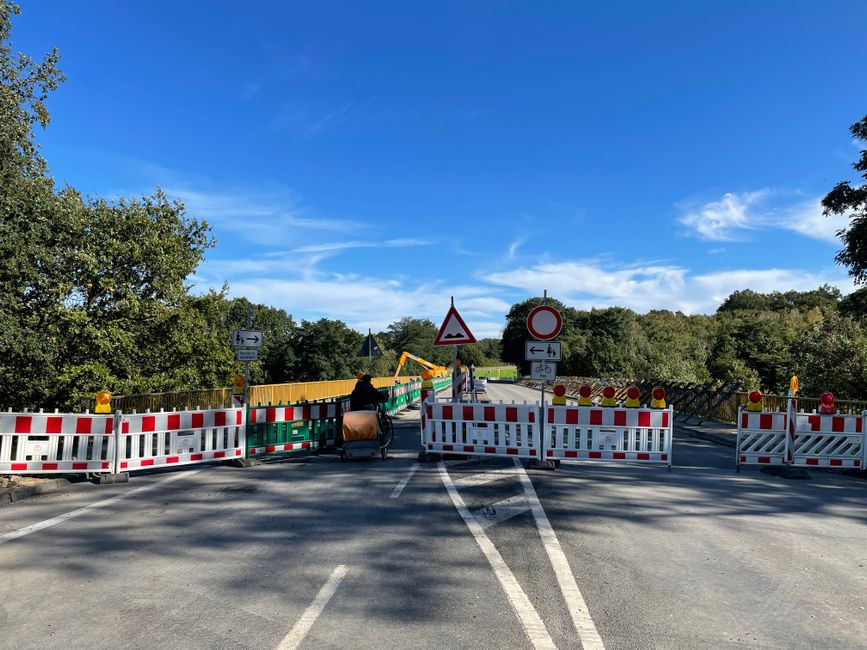
At a practical level, these permissions are about controlling how a road is used during your move. A moving permit usually covers the space where the vehicle will stop to load or unload. A temporary road closure goes further and restricts or manages access for a set time, usually so vehicles and pedestrians are kept clear while work or a complex move takes place.
In everyday moving terms, the permit helps create a legal, predictable place for the van. The closure creates a safer working zone when the street layout is especially awkward. Not every move needs a closure. Not every move needs a formal permit either. But if you are moving out of a terrace with no driveway, dealing with a one-way street, or moving bulky furniture from a flat with tricky access, it is worth checking both options early.
The process normally starts with identifying your move date, the exact street or access point, the expected vehicle size, and the period you need. If the move is in a managed parking or restricted-access area, the approval may need a little lead time. That is the bit people underestimate. You cannot really leave it until the night before and hope for the best. Well, you can, but it is not a great plan.
To prepare the rest of the move around this, practical packing help also matters. For example, tailored packing tips can reduce the number of trips between the property and the vehicle, which becomes even more useful when access is limited.
In a simple move, the flow might look like this:
- Check the street layout, parking restrictions, and access points.
- Decide whether a permit, a temporary closure, or both are needed.
- Confirm the moving time, vehicle type, and loading duration.
- Arrange any notices or permissions required.
- Prepare the property so loading starts quickly.
- Keep the route clear on the day and monitor for unexpected obstacles.
That sounds obvious, but the value is in getting the sequence right. If the permit is arranged before the rest of the move is planned, you can choose timings that actually work.
Key Benefits and Practical Advantages
The strongest benefit is control. A move with proper road access feels more organised because there is a defined place to park, load, and manoeuvre. That reduces friction from the first minute to the last.
Here are the main advantages people notice:
- Shorter loading times because the vehicle can sit closer to the property.
- Less lifting distance which lowers the chance of knocks, scrapes, and fatigue.
- Improved safety for movers, residents, and passers-by.
- Lower stress because there is less improvising on the day.
- Better traffic flow when everyone knows where the working space begins and ends.
There is another benefit that people often miss: permission creates confidence. If you have a narrow access route, knowing that the vehicle has a legal place to stop removes the background worry that always hangs around the day, like a small cloud. That alone can be worth a lot.
It also pairs well with good moving-day logistics. If you are choosing the right type of vehicle for a local move, the page on man with a van in Falconwood is a helpful complement because vehicle size and access planning tend to go hand in hand.
Expert summary: if your SE9 move involves constrained access, roadside loading, or a building where vehicles cannot wait freely, treat permit planning as part of the move itself, not an optional admin task. That simple mindset shift prevents a surprising amount of last-minute chaos.
Who This Is For and When It Makes Sense
This matters most for people moving from or into streets where parking is already tight or heavily used. In SE9, that often means flats, terraced streets, mixed residential roads, and addresses near busier local routes. If a van cannot stop directly outside, a permit or closure becomes much more than a nice-to-have.
It is usually relevant if you are:
- moving house from a road with limited on-street parking;
- moving out of or into a flat with no private loading area;
- moving large furniture, appliances, or fragile items;
- working to a tight time window;
- moving during school-run hours or another busy period;
- organising a commercial or office move where vehicles may need a controlled stop.
It may also be sensible if you are handling something awkward, like a piano, a bed frame, or oversized storage furniture. Those jobs often need clear external space as much as indoor route planning. If the item is heavy or delicate, fewer steps between the front door and the van are a very good thing. One less bend, one less turn, one less chance to catch a wall.
For particularly tricky items, it can help to read about the realities of specialist lifting and handling too, such as smart lifting solutions for hefty objects and the hidden challenges of DIY piano moving. Both are relevant when access is tight and every step counts.
Step-by-Step Guidance
If you want the smoothest result, start early and work in order. That is the real secret. The paperwork matters, but so does the moving sequence around it.
1. Assess the access properly
Stand outside the property and look at the road as if you were the van driver. Where would a large vehicle safely stop? Is there enough width for traffic to pass? Are there yellow lines, parking bays, turning issues, or one-way constraints?
People often make the mistake of judging access from memory. But memory is unreliable when you are stressed. Better to take a fresh look, ideally in daylight.
2. Work out whether you need a permit, a closure, or both
A straightforward side-street move may only need a moving permit. A difficult frontage, a narrow road, or a move that uses pavement space may justify a temporary road closure or other access control. If in doubt, plan for the stricter option first and scale back if appropriate.
3. Match the vehicle and the route
Choose a vehicle size that suits the street. Bigger is not always better. Sometimes a slightly smaller van, parked correctly, saves far more time than forcing a large vehicle into a road it barely fits. If you are comparing moving options, the articles on man and van services and removal van hire are useful starting points for understanding what type of vehicle may suit your street and load.
4. Prepare the property for fast loading
Boxes should be sealed, labels visible, and larger items grouped near the exit. A hallway filled with loose bits and half-packed bags slows everything down. That is the sort of thing that turns a neat one-hour load into a morning-long shuffle.
5. Protect the route
If items will cross a driveway, path, or shared entrance, make sure the route is clear. Doorways should be open, lighting should be adequate, and any trip hazards should be removed. This matters even more in wet weather when pavements get slick and everyone is moving a bit faster than they should.
6. Keep documentation and timings in one place
Have your permission details, move time, and access notes ready. A simple printout or phone note works fine. What matters is not the format. It is having the information ready when someone asks, "Where exactly can we park?"
7. Build in a buffer
Traffic, neighbours, and loading delays happen. Give yourself a little slack. Even twenty minutes can be enough to absorb a minor problem without derailing the whole day.
Expert Tips for Better Results
Here is where local experience really helps. Most moving delays are not dramatic. They are small, ordinary things that stack up. A missing space. A blocked entrance. A heavy item that is harder to turn than expected. Nothing glamorous. Just annoying.
- Book access arrangements before you confirm the final moving time. This gives you more flexibility if the road restrictions are stricter than expected.
- Use a road-view mindset. If a van has to reverse, turn, or pause in a narrow road, plan for that before loading starts.
- Pair permit planning with decluttering. Fewer items mean fewer trips and less time spent occupying the road. The guide to decluttering for a seamless moving journey is handy if your load has grown a bit more than you expected.
- Think about fragile and awkward furniture together. A sofa, bed, or freezer can be manageable indoors but awkward outside if the van is parked too far away.
- Use padding and box protection generously. When access is slower, items spend longer in transit between house and vehicle, so protection matters more.
One small but useful tip: keep a "first off" box separate. If the van is loaded close to its limit and parking access is tight, the first items you need at the new address should be the easiest to reach. A kettle. Chargers. Basic tools. Toilet paper. The glamorous essentials, naturally.
For moves involving larger furniture, it also helps to review the specific handling challenges in furniture removals in Falconwood. Big items and tight access make a very predictable little duo.
Common Mistakes to Avoid
People usually do not get this wrong because they are careless. They get it wrong because moving day is busy and the details feel secondary until the street starts filling up. Fair enough. But a few mistakes come up again and again.
- Leaving permit requests too late. That is the biggest one. The lead time matters.
- Assuming the same rules apply across nearby streets. SE9 roads can differ a lot, even within a short walk.
- Choosing the wrong vehicle size. Too large and you create access problems; too small and you create extra trips.
- Ignoring neighbour impact. A little notice can prevent complaints and last-minute tension.
- Not measuring bulky items against entry points. A sofa that fits indoors may still be a headache if the parking position is awkward.
- Forgetting the unloading side of the journey. People plan the departure and forget the arrival. It happens all the time.
Another easy mistake is failing to factor in the kind of support the move needs. If you are moving on stairs, through a narrow entrance, or over a long carry route, read the practical guidance on tight access removal solutions. It saves a lot of guesswork.
Tools, Resources and Recommendations
You do not need a van full of specialist kit to manage a permit-led move well, but a few basic tools make a noticeable difference.
- Measuring tape for checking item dimensions, door widths, and turning space.
- Phone camera for photographing access points, road layouts, and any posted restrictions.
- Marker pens and labels to keep boxes and priority items organised.
- Protective covers for mattresses, sofas, and fragile furniture.
- Basic toolkit for dismantling beds, tables, or storage units.
- Gloves and sturdy footwear because moving day has a habit of finding the one bit of damp pavement you did not notice.
For packing materials, the page on packing and boxes in Falconwood is a sensible companion, especially if your schedule is tight and you need to pack efficiently rather than beautifully. Beautiful is nice. Efficient is better on moving day.
You may also want to think about storage if the timing between properties is awkward. A short gap between move-out and move-in can be much easier to handle if you are not forced to rush every item on the day. The local storage in Falconwood option can be a practical bridge in that situation.
Law, Compliance, Standards, or Best Practice
Because road use and loading activity can affect other road users, the safest approach is to follow local access rules carefully and keep your plans aligned with the relevant authority's requirements. Exact procedures can vary by location, road type, and the nature of the move, so it is wise not to rely on assumptions from another neighbourhood or a previous house move.
From a best-practice point of view, the most important things are simple:
- do not block access without permission;
- keep the loading area as clear and visible as possible;
- respect pedestrian routes and emergency access;
- give neighbours reasonable notice where your move is likely to affect them;
- use a suitably insured and safety-conscious moving setup.
It is also smart to keep an eye on safety procedures during the move. A company's approach to risk management, equipment handling, and vehicle loading should never feel vague. If you want a clearer picture of what good practice looks like, the page on insurance and safety gives useful context.
For a broader sense of standards and expectations, especially if your move involves multiple helpers or a complex property layout, the moving team's health and safety policy is also relevant. It helps set the tone: careful, practical, no shortcuts.
Options, Methods, or Comparison Table
Not every SE9 move needs the same level of traffic control. Sometimes a permit is enough. Sometimes a more controlled setup makes sense. The right option depends on access, timing, and how much space the van actually needs.
| Option | Best for | Main advantage | Potential drawback |
|---|---|---|---|
| Standard parking arrangement | Low-pressure streets with easy access | Simple and quick to organise | May not work where parking is limited |
| Moving permit | Residential loading and unloading | Creates a clearer, legal loading point | Still depends on road width and traffic |
| Temporary road closure | Narrow roads, complex access, or higher safety needs | Gives the most controlled environment | Needs the most planning and coordination |
If your move is fairly straightforward, a permit may be all you need. If you are working from a flat with a narrow stairwell and no decent parking nearby, the more controlled option could save you a lot of effort. There is no prize for making it harder than it needs to be.
![A rectangular orange sign with bold black text reading 'Temporarily Closed for Construction' is attached to a metal fence with a diamond-shaped wire mesh pattern. The sign is positioned in front of a construction site, which is partially visible through the fence. In the background, there are high-rise buildings, construction materials, and machinery, indicating ongoing building work. The scene is outdoors with natural daylight illuminating the sign and the surrounding area. The placement of the sign suggests that the location is temporarily inaccessible, consistent with house removals and logistics support from [COMPANY_NAME], which manages property relocations and transportation of furniture and boxes. The fencing and signage indicate a controlled and secure environment typical of relocation projects requiring careful planning of access routes and permits, relevant to the page about 'Temporary Road Closure and Moving Permits in SE9, Falconwood'.](/pub/blogphoto/temporary-road-closure-and-moving-permits-in-se93.jpg)
Case Study or Real-World Example
Picture a family moving from a terraced street in SE9 into a new home a few miles away. The property itself is fine, but the road outside is a bit awkward. There is a school nearby, regular parked cars on both sides, and not much room for a large vehicle to wait without causing friction.
They initially planned to just have the van arrive early and "figure it out." That would probably have worked eventually, but with delays. Instead, they checked access in advance, organised the right parking setup, and packed the more awkward furniture last so it could go straight into the van. The load was ready faster, the outside space stayed clearer, and the move felt calmer.
One small detail made a big difference: they kept the hallway empty the night before. No half-full bins, no spare bags, no shoes scattered at the front door. That meant the movers could go from room to van without weaving around clutter. Simple, but effective.
They also used advice from local moving guidance, including packing and parking tips for Welling Road SE9 moves, which is a good example of how street-specific planning can improve the whole day.
Practical Checklist
Use this checklist to keep your move organised and reduce the chance of a last-minute scramble.
- Confirm the moving date and time window.
- Check whether your road needs a permit, closure, or both.
- Measure the access route, especially for large furniture.
- Choose the most suitable vehicle size.
- Prepare labels, packaging, and protective covers.
- Clear the hallway, front entrance, and loading path.
- Tell neighbours if the move may affect shared access.
- Keep important documents and keys easy to reach.
- Set aside a first-night box for essentials.
- Leave a little time buffer for traffic or access issues.
If you are planning a bigger property move, it can also help to look at the full range of support available through services overview before you finalise the logistics. That way, the permit planning sits inside the wider move plan instead of floating around separately.
And if you are moving at short notice, the article on urgent same-day moves in Falconwood is worth a look. Short-notice moves and access planning can be a bit of a dance, to be fair.
Conclusion
Temporary Road Closure and Moving Permits in SE9 are not just admin. They are part of making the move safe, efficient, and less stressful. If the road outside your property is tight, busy, or awkwardly parked, good access planning can save time, reduce lifting, protect your furniture, and take a surprising amount of pressure out of the day.
The best approach is simple: assess the street properly, plan the vehicle and route together, organise permission early, and keep your packing and loading setup tidy. It is a small amount of work compared with the hassle of sorting things out on the pavement while the clock is ticking.
Get a free quote today and see how much you can save.
And if you are still weighing up the practical side, that is completely normal. Moving well is not about perfection. It is about making smart choices, one sensible step at a time.