Bulky Waste and Mattress Disposal After Falconwood Moves
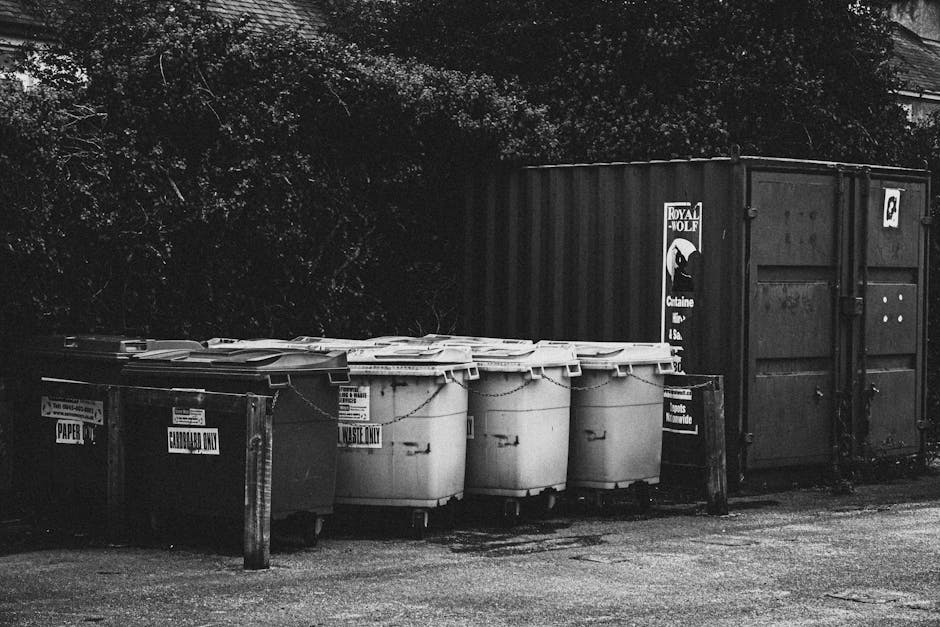
Moving home is rarely just about boxes. Once the sofa is in the van, the kettle is packed, and the last drawer has been checked twice, you are often left staring at the awkward leftovers: an old mattress, a broken wardrobe, a sagging armchair, maybe a freezer that has seen better days. That is where bulky waste and mattress disposal after Falconwood moves becomes part of the moving job, not an afterthought. If you leave it too late, it can slow everything down, make cleaning harder, and create a last-minute scramble that nobody needs.
This guide walks through how to handle bulky items in a sensible, tidy, and low-stress way after a move in Falconwood. It covers what counts as bulky waste, how mattress disposal usually works in real life, what mistakes to avoid, and when it makes sense to call in extra help. Along the way, you will also find useful links to related moving advice such as moving your bed and mattress smoothly, decluttering before the move, and move-out cleaning. Simple enough in theory. In practice, well... not always.
Why Bulky Waste and Mattress Disposal After Falconwood Moves Matters
Bulky waste is more than "big rubbish". It usually means items that are too large, awkward, or heavy to go out with normal household waste. Think mattresses, bed frames, wardrobes, divan bases, sofas, coffee tables, white goods, and the odd office chair that somehow survives three moves and still looks offended. After a move, these items tend to show up all at once, especially if you have spent the last week deciding what is worth keeping.
Getting rid of them properly matters for several reasons. First, it helps you hand back a property in better condition, which is especially important if you are renting. Second, it clears space fast so you can settle into the new place without old clutter following you around. Third, it reduces the risk of fly-tipping or leaving items in the wrong place because "there was nowhere else to put them". Let's face it, that excuse does not age well.
There is also a practical local angle. In and around Falconwood, many moves involve flats, shared access, tight hallways, or streets where parking is already a small adventure. A bulky mattress wedged near a stairwell on moving day is not anyone's favourite memory. Planning disposal properly can save time, reduce lifting risk, and make the whole move feel a lot more controlled.
If you are already trying to manage storage, furniture handling, and cleaning at the same time, it can help to read about storage in Falconwood and furniture removals in Falconwood. Those decisions often overlap more than people expect.
How Bulky Waste and Mattress Disposal After Falconwood Moves Works
The process is usually straightforward, but there are a few moving parts. In practical terms, you need to decide whether the item is being reused, stored, donated, recycled, collected as waste, or taken away as part of a move. That decision should happen before the final packing day if possible, because bulky items can quickly become obstacles.
Typical disposal routes
- Reuse or donation: Suitable if the item is clean, usable, and in decent condition.
- Private bulky item collection: Useful when you want the item removed quickly and do not want to handle transport yourself.
- Recycling or specialist disposal: Better for items with mixed materials, such as mattresses, bed bases, or damaged furniture.
- Council or local collection options: Often practical, but timing and booking rules vary.
- Combined move and clear-out service: A sensible choice if removal, loading, and disposal need to happen in one go.
Mattresses need special attention because they are large, awkward, and often not accepted in the same way as smaller household waste. A dirty or damaged mattress can also be unpleasant to handle, especially after a tiring move. Even a clean one is no joy to squeeze down stairs at 8 a.m. with sore shoulders and a van waiting outside.
A lot depends on access. A ground-floor property with clear loading space is very different from a top-floor flat with a narrow staircase. If access is tight, you may benefit from reading solutions for staircases and tight access before deciding how to shift the item.
What happens on the day
- You identify the bulky items and separate them from items you are keeping.
- You check whether they can be reused, recycled, or need disposal.
- You measure doors, stairs, and hall access if the item must be moved out manually.
- You arrange a pickup or prepare the items for collection.
- You make sure the path is clear so the removal is safe and quick.
That sounds orderly, and it can be. But only if you do the sorting before the chaos really starts.
Key Benefits and Practical Advantages
Handled well, bulky waste and mattress disposal can make the whole move feel lighter. Not literally, of course, though your back might disagree less by the end of the day.
- Less clutter in the property: Empty rooms are easier to clean, inspect, and photograph if needed.
- Safer moving conditions: Fewer obstacles mean less trip risk and less awkward lifting.
- Faster turnaround: You can complete a move-out or handover without dragging old furniture around at the last minute.
- Better organisation: Sorting bulky items early helps you decide what actually deserves a place in the new home.
- Cleaner recycling decisions: Items are more likely to be disposed of responsibly when they are dealt with in a planned way.
There is also a financial upside in many cases. If you are already hiring transport for a move, bundling bulky item removal into the same schedule can be more efficient than arranging separate trips. The fewer times a heavy bed base gets lifted, the better. Truth be told, no one ever says, "I wish we had moved that wardrobe one more time."
For readers comparing moving support, it can be helpful to look at same-day removals in Falconwood and man and van Falconwood options, especially when timing is tight after a move.
Who This Is For and When It Makes Sense
This topic matters to far more people than just homeowners with old mattresses to dump. In everyday moving situations, bulky waste disposal is relevant if you are:
- leaving a rental property and need to clear everything out cleanly;
- downsizing and do not have space for every item from the old home;
- upgrading furniture and replacing older pieces during the move;
- moving out of a student flat where shared furniture is damaged or unwanted;
- handling an office relocation with broken desks, chairs, or storage units;
- trying to simplify a property sale or post-move clean-up.
If you are moving from a flat, the issue can be even more awkward. Shared hallways, lifts, stairwells, and neighbours all add friction. A bulky mattress that seemed manageable in the bedroom suddenly becomes a poor fit for the real world. For flats specifically, flat removals in Falconwood can be a relevant consideration when planning the move-out sequence.
Students often face this problem too, especially at the end of a term or tenancy. Cheap furniture tends to become disposable furniture rather quickly. If that sounds familiar, student removals in Falconwood may be useful for planning a faster exit.
Step-by-Step Guidance
If you want the cleanest result, do not treat bulky waste disposal as one giant task. Break it down. That is the trick.
1. Identify what stays and what goes
Walk through every room and make a deliberate decision about large items. If it is damaged, stained, broken, or not worth moving, mark it for disposal. Be ruthless, but sensible. The goal is not minimalism for its own sake; it is practicality.
2. Check if the item can be reused
A serviceable wardrobe or near-new mattress may be suitable for reuse, depending on its condition. If you are unsure, think in terms of cleanliness, safety, and structural integrity. A wobbly bed frame with missing fittings is probably not worth the trouble.
3. Measure access routes
Measure doorways, stair turns, landings, and lift dimensions if needed. In small Falconwood homes or older properties, the item might technically fit once dismantled, but not in one piece. This is where a bit of planning saves a lot of bruised knuckles.
4. Dismantle where possible
Bed frames, wardrobes, and shelving units are often easier to handle in parts. Keep screws, fittings, and brackets in a labelled bag. A tiny plastic bag taped to a frame can save a surprisingly annoying evening later.
5. Protect floors and walls
Use blankets, cardboard, or protective wraps where needed. Mattresses and bulky items can scuff paint, mark corners, and catch on narrow door frames.
6. Arrange the disposal method
Decide whether you are using a collection service, taking items for recycling, or combining disposal with the move itself. If the timing is tight, it may make sense to pair the process with removals in Falconwood or a broader removal service in Falconwood.
7. Clear the route before lifting
Move coats, shoes, bins, rugs, cables, and any small clutter out of the way. The smoother the path, the safer the lift. This is boring prep, but it matters.
8. Final sweep before collection
Look again for loose parts, bedding, mattress covers, and hidden screws. Many move-outs go sideways because the item was removed, but the tiny extras were left behind.
Expert Tips for Better Results
A few small decisions make a big difference here. Not dramatic, just useful.
- Do the mattress early. Mattresses are awkward, so do not leave them until you are already exhausted.
- Keep one "disposal corner". Place all bulky waste in one area so it is easy to load and easy to check.
- Separate recyclable parts. Metal bed frames, wooden parts, and fabric-covered items may need different treatment.
- Do not overfill a van. Bulky waste takes up more space than people think, especially once odd shapes start nesting together.
- Wear proper footwear. Trainers or boots with grip beat slippers, every time.
- Take the weather seriously. Wet paths, rainy stairwells, and damp mattress corners are a grim combination.
One useful trick is to pair decluttering with furniture decisions. If you are already sorting bedrooms, read tailored packing tips and stress-free house move advice so you can plan the move in a more intentional order.
If the item is especially heavy or awkward, do not be heroic. A short, sensible pause is cheaper than a pulled shoulder. And yes, that line should probably be on a tea mug somewhere.
Common Mistakes to Avoid
Most problems with bulky waste disposal are not complicated. They are just predictable.
- Leaving disposal until the final hour: That is how mattresses end up blocking hallways on handover day.
- Assuming everything can be left outside: Not every item can simply be placed at the kerb and forgotten.
- Forgetting access constraints: A large sofa may be easy in an open house and miserable in a top-floor flat.
- Ignoring dismantling work: Furniture often comes apart more easily than people expect.
- Mixing waste types: Keeping everything in one pile can complicate recycling or collection.
- Not protecting communal areas: Scratched banisters and marked walls can create avoidable friction with landlords or neighbours.
- Trying to carry everything alone: A solo lift is fine for a cushion. Less fine for a king-size mattress.
If you have ever tried to pivot a mattress around a narrow corner, you will know the sound. That soft thump of fabric on plaster. Not ideal. Avoid it by measuring first and planning the route properly.
Tools, Resources and Recommendations
You do not need a huge toolkit, but a few basics help enormously.
| Tool or item | Why it helps | Best used for |
|---|---|---|
| Work gloves | Improves grip and protects hands | Mattresses, beds, wooden furniture |
| Furniture straps | Makes carrying and balancing easier | Heavy or awkward items |
| Dismantling tools | Allows furniture to be broken down safely | Beds, wardrobes, shelving |
| Protective wraps or blankets | Reduces damage to floors and walls | Stairs, door frames, hallways |
| Labels and bags for fixings | Keeps small parts together | Any item taken apart |
| Tape measure | Prevents access surprises | Routes, doors, stair turns, lift spaces |
On the planning side, it helps to compare your disposal options before moving day. You may also find smart lifting solutions for hefty objects useful if you are deciding whether something can be moved by hand or needs a more organised approach.
For a smoother broader move, a few adjacent pages can be handy: packing and boxes in Falconwood, man with a van Falconwood, and removal van Falconwood. These are practical pieces of the same puzzle.
Law, Compliance, Standards, or Best Practice
For bulky waste and mattress disposal, the safest approach is to follow local collection rules and general waste-handling best practice. In the UK, the key idea is simple: do not dump waste where it should not go, and do not rely on informal arrangements if the item may create a nuisance or environmental problem. If a collection service or removals team is involved, it is worth checking what they will and will not take before the day arrives.
If you live in rented property, your tenancy agreement may also matter. Some landlords want the flat cleared of all furniture, while others require items to be removed from inside the property rather than left in common areas or outside. That detail sounds minor until you are standing in the hallway with a mattress and nowhere to put it.
From a safety perspective, proper manual handling is the main issue. Heavy lifting should be planned so that weight is shared, routes are clear, and no one twists awkwardly while carrying a large item down stairs. If lifting is likely to be difficult, professional support is often the safer choice. For added context on safety and handling expectations, see insurance and safety and health and safety policy.
Recycling is also worth thinking about. Mixed-material furniture and mattresses are not always simple to process, so separating what can be reused from what should be disposed of responsibly is usually the best practice. If you are trying to keep the move as tidy and responsible as possible, the broader recycling and sustainability approach is a smart place to start.
Options, Methods, or Comparison Table
There is no single best disposal method for every move. The right choice depends on time, item condition, access, and how much effort you want to spend.
| Method | Best for | Pros | Trade-offs |
|---|---|---|---|
| Reuse or donation | Clean, usable furniture or mattresses in good condition | Feels waste-light, may help someone else | Not suitable for damaged or unhygienic items |
| Scheduled bulky waste collection | Planned move-outs with enough time | Convenient and fairly orderly | Can require booking and waiting |
| Private removal service | Fast clear-outs or awkward access | Flexible, efficient, less lifting for you | Usually costs more than doing it yourself |
| Recycling-led disposal | Items with reusable materials | Better for the environment and clear sorting | May need dismantling and preparation |
| Combined moving and disposal support | Whole-home moves with bulky leftovers | Streamlined and time-saving | Requires careful pre-planning |
In practical terms, the most efficient route is often the one that reduces your total handling. If a mattress is going out anyway, moving it three separate times just adds risk. One lift, one route, one decision. Simpler.
Case Study or Real-World Example
Here is a typical Falconwood-style moving scenario. A couple is moving from a two-bedroom flat into a smaller property and has an old mattress, a worn bed frame, and two bulky armchairs they no longer want. The new place has tighter access, and the lift is small enough to make everyone sigh on sight.
Instead of leaving the bulky items until the moving van arrives, they sort them the day before. The mattress is separated, the bed frame is dismantled, and the screws are bagged and labelled. One chair is still usable, so it is kept for a possible future donation or storage decision. The rest is scheduled for removal at the same time as the main move.
The difference is mostly timing. Because the bulky items were handled early, the final exit was calmer. No one had to drag a mattress past suitcases, and the hallway stayed clear for the actual removals. The home was easier to clean, the handover was less stressful, and the move finished with far less back-and-forth. Small win, but a real one.
That kind of plan also works well when combined with move-out cleaning preparation and a tidy decluttering approach. The cleaner the space, the easier the handover. You feel it immediately.
Practical Checklist
Use this checklist a day or two before moving out.
- Identify every bulky item that will not be moving with you.
- Check whether items can be reused, donated, recycled, or disposed of.
- Measure doorways, stairs, landings, and lift access if needed.
- Dismantle furniture where possible and keep fixings together.
- Protect floors, walls, and corners on the removal route.
- Confirm the collection or removal time.
- Clear a loading space or access path before the item is moved.
- Separate mattresses, bed frames, soft furnishings, and mixed-material waste.
- Do a final sweep for straps, brackets, bolts, and fabric covers.
- Keep drinking water, gloves, and shoes ready for the moving team or helpers.
Expert summary: The best bulky waste plan is the one that starts before the boxes are packed. Identify the large items early, measure access, decide whether they can be reused, and only then choose the right disposal route. That simple sequence prevents most of the headaches people associate with moving day.
If you are still shaping the move itself, it can help to read more about short-notice move tips and local moving guidance near Falconwood Station and Bexleyheath Road. Those little route and timing details make a bigger difference than people expect.
Conclusion
Bulky waste and mattress disposal after Falconwood moves is one of those jobs that looks minor until it is right in front of you. Then it becomes obvious: these large, awkward items can shape the pace, safety, and cleanliness of the whole move. The good news is that with a bit of planning, you can deal with them calmly and avoid the usual end-of-move chaos.
Think early, measure carefully, and do not wait for the final box to be taped before deciding what happens to the mattress. Whether you reuse, recycle, collect, or remove, the real aim is the same: a cleaner handover, a safer moving day, and less stress at the point when you have already had enough of it. That is the whole game, really.
If your move involves heavy furniture, awkward access, or a tight timetable, the smartest next step is to plan disposal alongside the move itself rather than treating it as a separate chore. That way, you are not just getting rid of old stuff. You are making room for a better start.
Get a free quote today and see how much you can save.
Frequently Asked Questions
What counts as bulky waste after a house move?
Bulky waste usually includes items too large for normal household waste collections, such as mattresses, wardrobes, sofas, bed frames, tables, and some appliances. After a move, it often means anything awkward, heavy, or difficult to carry out with standard rubbish.
Can I leave my old mattress outside after moving?
Usually, no, not unless you have arranged a proper collection or your local rules allow it. Leaving a mattress outside without approval can cause problems with neighbours, landlords, or waste enforcement. It is better to plan the removal properly.
Should I dismantle furniture before disposal?
Yes, if it can be done safely. Dismantling wardrobes, bed frames, and shelving often makes disposal easier and reduces the risk of damage on the way out. Keep screws and fittings in a labelled bag so you do not lose them.
Is it better to recycle or dispose of a mattress?
If the mattress is no longer usable, recycling or specialist disposal is often the better option, because mattresses contain mixed materials. If it is clean and in good condition, reuse or donation may be worth considering first.
How far in advance should I plan bulky waste removal?
Ideally, as early as you can. Even a few days' notice helps with access checks, dismantling, and collection timing. For larger moves, sorting bulky waste before packing begins is much easier than leaving it to the end.
What if my stairwell is too tight for a mattress or sofa?
That is common in flats and older homes. Measure the route, check whether the item can be dismantled, and consider professional help if the access is very tight. For awkward properties, tight access planning matters more than brute force.
Can bulky waste be collected on the same day as the move?
Sometimes yes, if the schedule is organised properly. Combining the two can save time and reduce the number of lifts, but it works best when the bulky items are separated and ready before the van arrives.
What items are hardest to dispose of after moving?
Mattresses, divan bases, large wardrobes, broken sofas, and mixed-material items tend to be the most awkward. They are heavy, hard to grip, and often difficult to move through narrow hallways or staircases.
Do I need to worry about cleaning before disposal?
Yes, especially for mattresses and upholstered furniture. Removing loose bedding, dirt, and small items makes handling easier and can help with any reuse, donation, or collection process. It also makes the final handover cleaner.
What is the safest way to lift a bulky item?
Keep the item close to your body, avoid twisting, share the weight where possible, and clear the route first. If something feels too heavy or awkward, stop and rethink it. A short delay is better than an injury.
How do I decide whether to keep, store, or dispose of a bulky item?
Ask three simple questions: do I still need it, will it fit the new place, and is it worth moving again? If the answer is no to two or more, disposal or storage may make more sense than carrying it forward.
Where does move-out cleaning fit into bulky waste disposal?
It fits right alongside it. Removing large items first makes cleaning faster, easier, and more thorough. Once the bulky waste is gone, you can reach corners, skirting boards, and floors properly without working around obstacles.